Berggren & Turturice / Journal
Comprehensive Overview of Thoracic Four Syndrome: Unlocking Diagnosis, Treatment, and Prevention

Introduction: The Significance of Recognizing Thoracic Four Syndrome in Modern Healthcare
In the realm of health and medical care, understanding complex syndromes such as Thoracic Four Syndrome is crucial for both practitioners and patients alike. This condition, although less frequently discussed compared to other thoracic or spinal disorders, can significantly impair an individual’s lifestyle and overall health. Proper diagnosis and effective treatment strategies are imperative for restoring optimal function and alleviating chronic pain associated with this syndrome.
Defining Thoracic Four Syndrome: An In-Depth Explanation
Thoracic Four Syndrome is a unique clinical presentation characterized by a combination of neurological, musculoskeletal, and vascular disturbances originating from the thoracic vertebral region, most commonly involving the fourth thoracic vertebra (T4). It manifests through a complex interplay of symptoms that may include localized pain, nerve compression, and compromised circulation, creating a challenging scenario for both diagnosis and management.
Key Characteristics and Pathophysiology of Thoracic Four Syndrome
- Vertebral Misalignment or Subluxation: Displacement of the T4 vertebra resulting from trauma, poor posture, or degenerative changes.
- Nerve Impingement: Compression of the thoracic spinal nerves leading to pain radiating around the chest, back, or into the abdominal area.
- Vascular Impairment: Possible disruption of nearby blood vessels causing circulatory issues.
- Muscular Tension: Reflexive muscular spasms to protect the area, which can result in chronic stiffness.
This condition often arises from repetitive strain, improper lifting techniques, or accidents, and it may develop insidiously over time. The pathophysiology primarily involves the complex interactions between vertebral misalignment, nerve entrapment syndromes, and vascular compromise.
Common Symptoms of Thoracic Four Syndrome: Recognizing the Warning Signs
Identifying symptoms early is vital for effective intervention. Typical signs and symptoms include:
- Localized Back Pain: Persistent discomfort around the mid-back, particularly near the T4 region.
- Radicular Pain: Sharp, shooting pain radiating along the nerve pathways, often into the chest or abdomen.
- Muscle Weakness and Numbness: In severe cases, compression may cause sensory deficits or muscular weakness.
- Circulatory Issues: Symptoms such as cold extremities, tingling sensations, or pallor may suggest vascular involvement.
- Postural Changes: Prolonged discomfort may lead to altered posture, further exacerbating the syndrome.
Diagnosing Thoracic Four Syndrome: Advanced Strategies for Practitioners
Accurate diagnosis requires a comprehensive approach that combines clinical evaluation with sophisticated imaging techniques:
- Physical Examination: Inspection, palpation, and neurological testing to assess pain points, muscle strength, and reflexes.
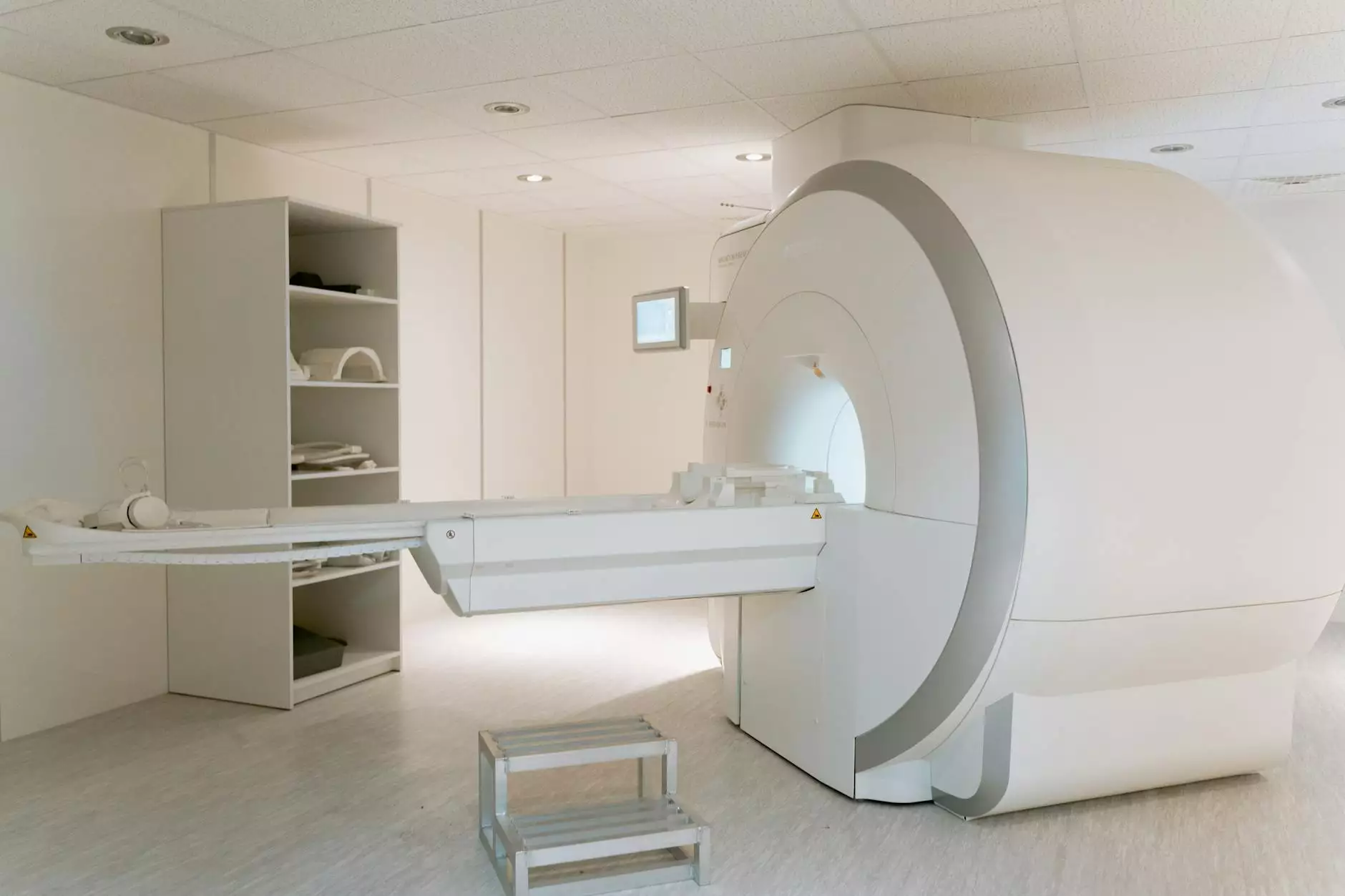
- Imaging Modalities: X-rays, MRI, and CT scans help visualize vertebral alignment, disc health, and nerve entrapment.
- Specialized Tests: Nerve conduction studies and vascular Doppler assessments provide additional insights into nerve and blood flow status.
Proper diagnosis by experienced chiropractic and medical professionals ensures targeted treatment and improved outcomes, particularly at specialized institutions like iaom-us.com.
Innovative Treatment Options for Thoracic Four Syndrome: Restoring Mobility and Function
Chiropractic Interventions
Chiropractic care plays a pivotal role in managing Thoracic Four Syndrome. Techniques such as spinal adjustments, mobilization, and soft tissue therapy aim to realign the vertebrae, reduce nerve compression, and alleviate pain. These approaches emphasize non-invasive, patient-centered care that encourages natural healing processes.
Physiotherapy and Rehabilitation
Complementary physiotherapy methods, including targeted exercises, stretching routines, and ergonomic education, help reinforce correct posture, strengthen supporting muscles, and prevent recurrence.
Advanced Therapies
- Laser Therapy: Promotes tissue repair and reduces inflammation.
- Acupuncture: Provides symptomatic relief and improves circulation.
- Biofeedback Techniques: Help patients learn to control muscle tension and nerve function.
Innovative Surgical Options
In rare, severe cases unresponsive to conservative treatments, surgical interventions such as decompression or vertebral fusion may be considered. These procedures aim to relieve nerve pressure definitively and restore structural integrity.
Preventive Measures and Lifestyle Recommendations
Prevention hinges on maintaining a healthy posture, avoiding repetitive strain, and engaging in regular physical activity. Specific tips include:
- Ergonomic Adjustments: Proper desk setup and lifting techniques.
- Regular Exercise: Strengthening the back, core, and shoulder muscles.
- Posture Awareness: Being mindful of sitting and standing habits.
- Routine Check-Ups: Regular assessments by qualified chiropractors and healthcare professionals.
The Role of Education in Managing Thoracic Four Syndrome
Patient education is critical to successful management and recovery. At institutions like iaom-us.com, educational programs empower individuals with knowledge about their condition, treatment options, and lifestyle considerations that support long-term health.
Similarly, ongoing professional education for chiropractors, physiotherapists, and medical practitioners ensures they stay current with the latest research developments, techniques, and interdisciplinary approaches to treating Thoracic Four Syndrome.
Why Choose Specialized Care at iaom-us.com
Focusing on holistic, evidence-based approaches, iaom-us.com exemplifies excellence in Health & Medical, Education, and Chiropractic fields. Their team of experts is dedicated to:
- Providing Accurate Diagnosis: Utilizing cutting-edge diagnostic tools and clinical expertise.
- Delivering Personalized Treatment Plans: Tailored to individual needs and lifestyle.
- Promoting Patient Education: Ensuring understanding and active participation in care.
- Incorporating Interdisciplinary Approaches: Seamlessly blending chiropractic, medical, and rehabilitative strategies for optimal results.
Concluding Thoughts: Embracing a Proactive Approach to Thoracic Four Syndrome
Thoracic Four Syndrome may pose significant challenges, but with early recognition, innovative treatment, and comprehensive education, individuals can achieve substantial improvements in their quality of life. The advancement of chiropractic and medical science continues to offer hope through minimally invasive procedures, holistic therapies, and preventive strategies.
By partnering with expert organizations like iaom-us.com, patients gain access to cutting-edge care and education that empower them to take control of their health journey. Whether it involves restoring spinal alignment or enhancing postural awareness, the emphasis remains on natural, conservative, and patient-centered solutions for Thoracic Four Syndrome.
Final Note: Your Pathway to Optimal Health Starts Here
Understanding complex syndromes such as Thoracic Four Syndrome underscores the importance of integrated healthcare approaches. Remember, timely intervention and proactive management are vital for preventing long-term complications. Embrace the expertise of dedicated chiropractors, medical professionals, and educational resources available at iaom-us.com to embrace a healthier, pain-free future.